
What I learned at Semrush Spotlight about visibility in AI search

Key numbers
- 36.7 to 45.3out of 100: UK overlap between the top-100 mentioned brands and the top-100 cited domains, depending on the month
- 25th vs 606thTesco vs Asda in ChatGPT citations in July, though both were top-100 mentions on all four platforms every month
- 29.5% vs 19.6%news publishers' share of ChatGPT's top-100 citation weight, UK vs US
- 45%of marketing leaders said they can't accurately measure their visibility in AI answers (Semrush, June US edition)
Figures from Semrush's AI Visibility Index (January to July 2026) and its June US edition. Vendor data: see the caveats below.
A day at Spotlight
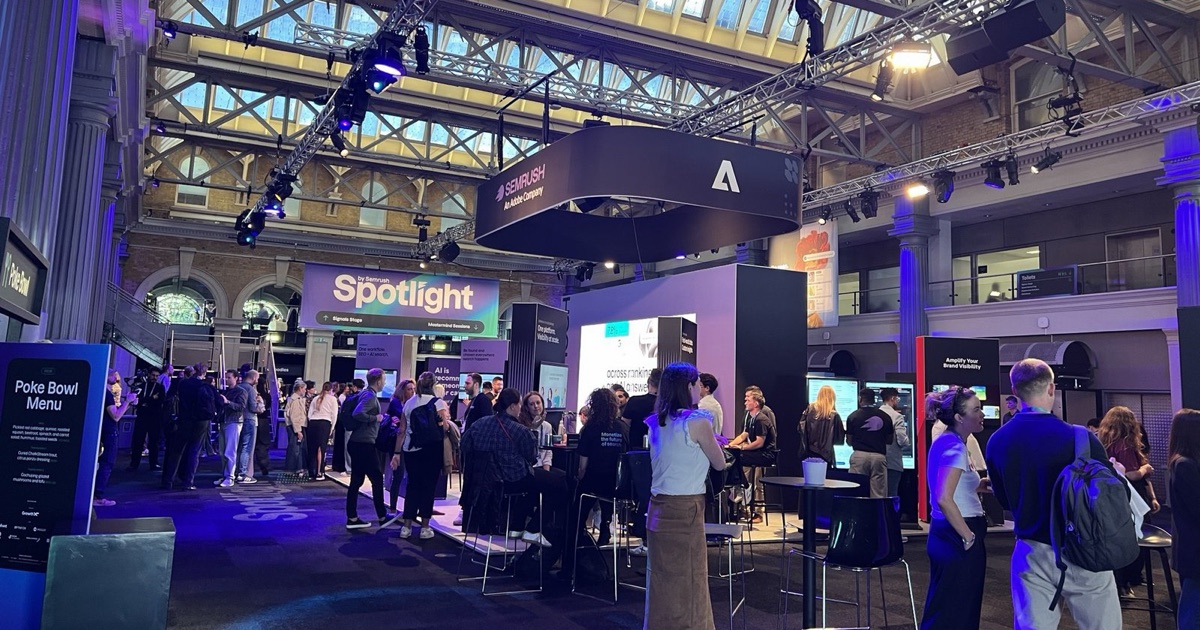
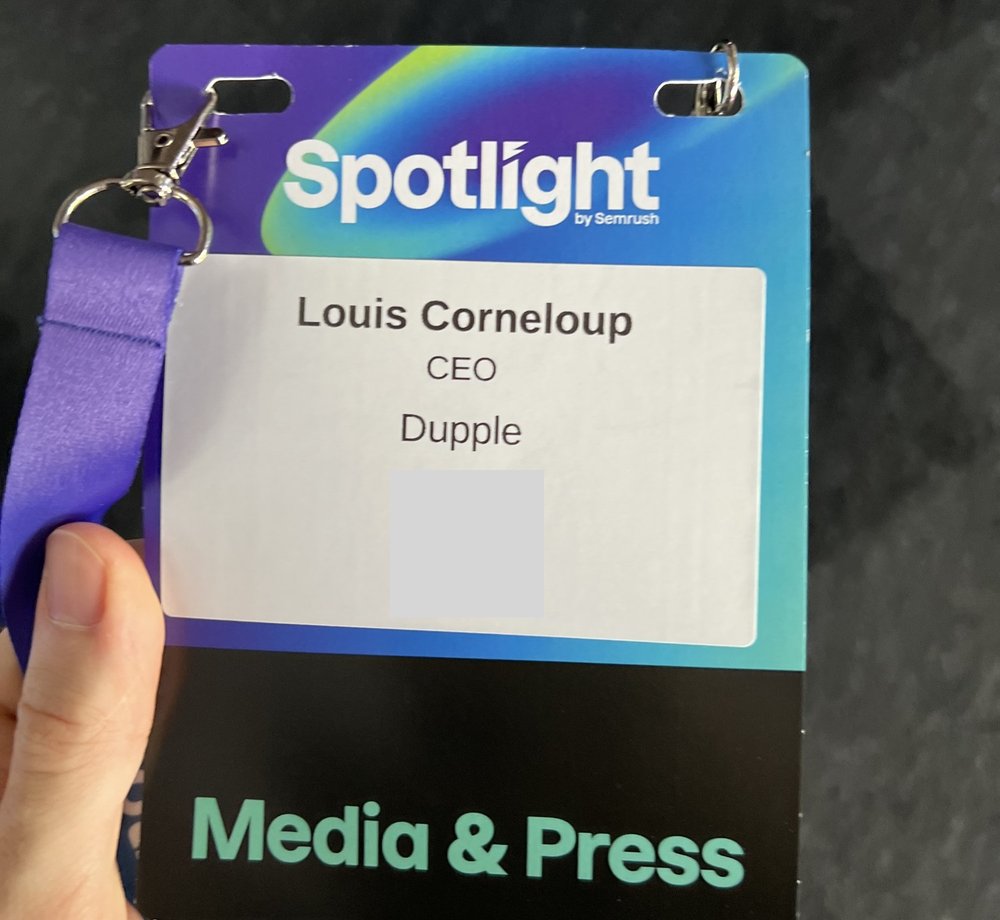
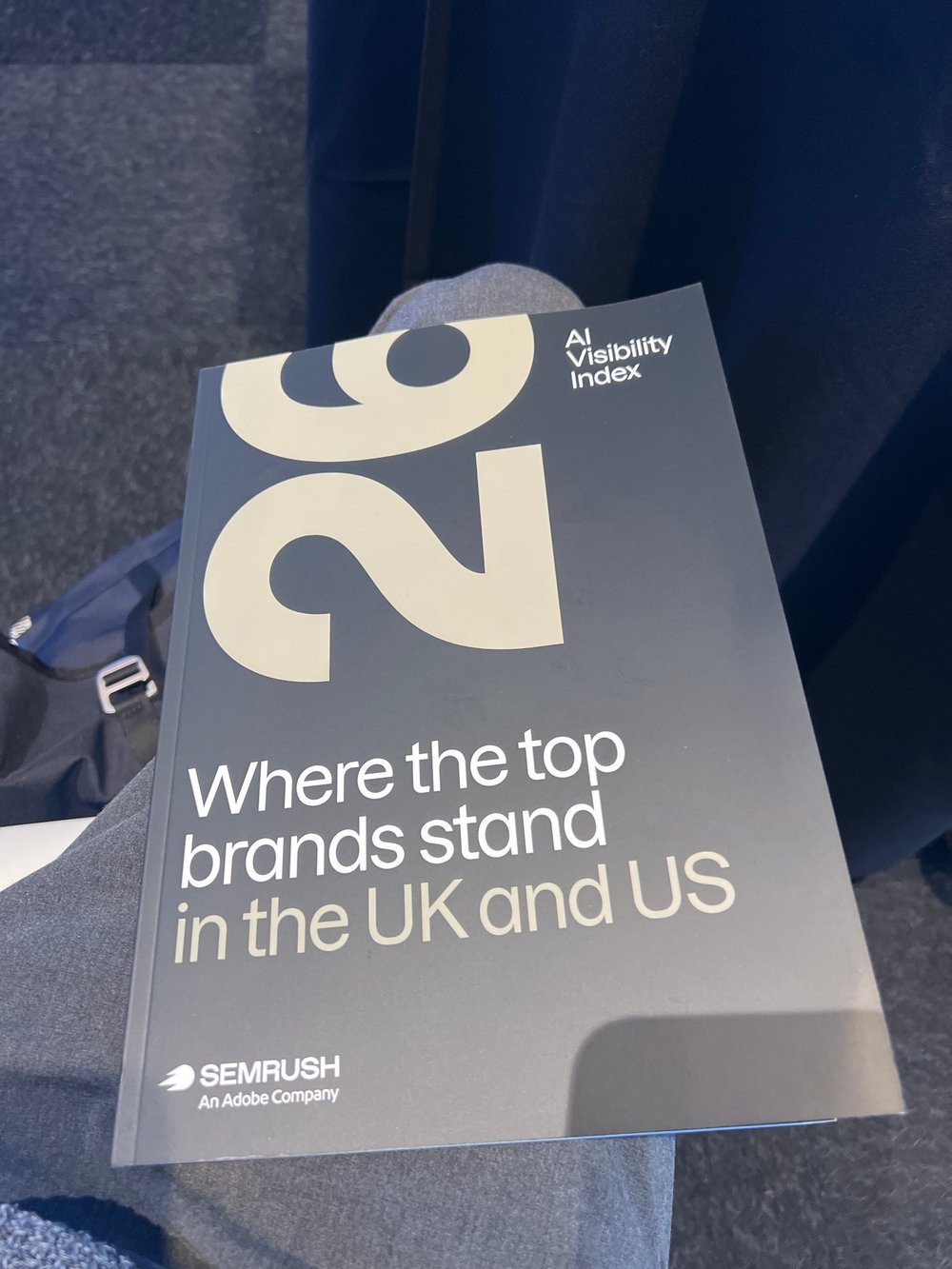
I was lucky enough to be invited by the Semrush team to Spotlight, their conference at Old Billingsgate in London on 13 October. The company is part of Adobe now, and it used the day to launch its AI Visibility Index, a study of which brands and sources ChatGPT, Gemini and Google's AI products surface in the UK and the US. The venue, a Victorian market hall on the Thames, was a funny place to talk about the future of search.
Semrush's PR team also invited me to the media breakfast and set up an interview with Leigh McKenzie, their director of online visibility. We talked for nearly 30 minutes in the press room, and most of this article comes from that conversation. At the breakfast, one slide summed up the commercial pitch in a line, "Part of the decision happens before the visit", next to Adobe's figure that AI-referred retail visits bring 53% more revenue than non-AI visits.
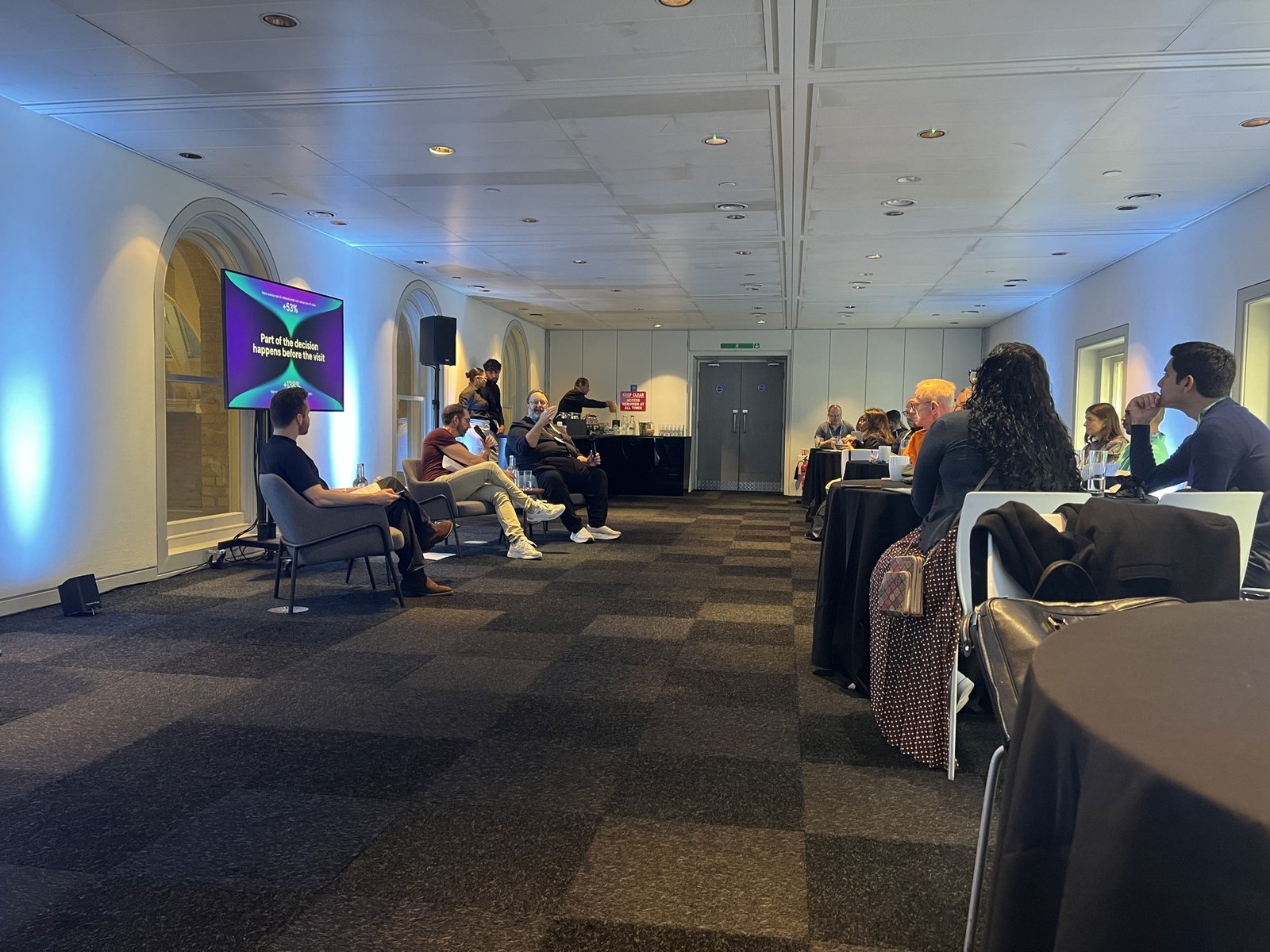
I loved the energy. The Adobe team was incredibly kind, and the whole day confirmed one thing for me: GEO, generative engine optimisation, is the future of marketing.
On the data side, the point to remember: being named in an AI answer and being cited as its source are two different things. Across 22 categories and four AI platforms, fewer than half of the 100 most-mentioned brands also show up among the 100 most-cited domains. Next up: the numbers, what Leigh told me, and what I'd do about it.
The data: platforms disagree, and so do markets
The AI Visibility Index compares which brands and sources ChatGPT, Gemini, Google AI Mode and Google AI Overviews surface. It covers 22 categories from January to July 2026, using fixed monthly prompt sets of 2.5 million prompts in the UK and 25 million in the US (AI Overviews is measured on real search keywords instead).
| Measure (Jan to Jul 2026) | UK | US |
|---|---|---|
| Domains in the top-100 mentions on all four platforms, every month ("Universal Core") | 24 | 36 |
| Brands shared by the top-100 mention lists of any two platforms | 63 to 70 | 70 to 78 |
| News publishers' share of ChatGPT's top-100 citation weight | 29.5% | 19.6% |
A few things jump out of that table. Only 15 domains make it into both Universal Cores, including Adobe, Amazon, Apple, Google, LinkedIn, Microsoft, Reddit, TikTok and YouTube. Six of the nine UK-only entries are retailers (Amazon UK, Argos, Asda, eBay UK, Marks & Spencer, Tesco), alongside BBC, Nike and TripAdvisor UK.
Mentioned doesn't mean cited. Across categories and platforms, the UK overlap between the top-100 mentioned brands and the top-100 cited domains ranged from 36.7 to 45.3 out of 100, depending on the month. Tesco and Asda show the gap: both were top-100 mentions on all four platforms every month, yet in July Tesco ranked 25th for ChatGPT citations and Asda 606th. You can be everywhere in AI answers and still be missing from the sources behind them.
The platforms behave very differently. ChatGPT cites the most sources per answer and Gemini the fewest, yet Gemini names more brands than ChatGPT. Google AI Overviews had the lowest overlap with the other platforms in all seven months. In the UK, the ten leading sources in AI Mode account for 23.2% to 35.8% of its citations, against 12.8% to 15.4% for ChatGPT, so AI Mode leans on a much narrower set of domains.
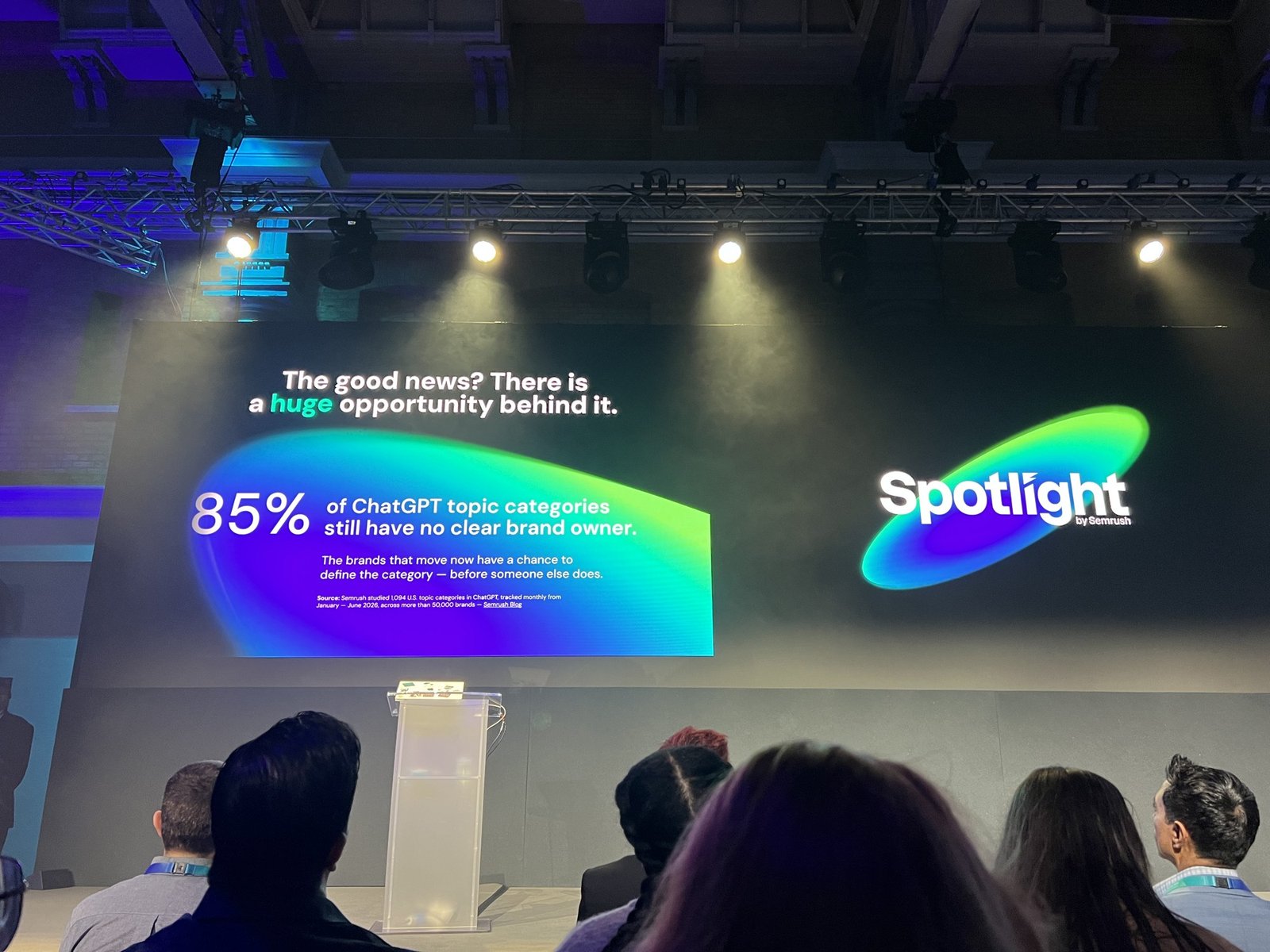
There's also a lot of room left to grab. A slide shown on stage said that 85% of ChatGPT topic categories still have no clear brand owner, based on 1,094 US categories and more than 50,000 brands tracked from January to June 2026.
What Leigh McKenzie told me
Leigh's core message: there is "no one AI search channel", so build for your audience, not for a single model. We kept coming back to five themes.
"Don't try to just build a content strategy for ChatGPT or Claude or Google. You should try to do something where you're doing what all of them want."
Leigh McKenzie, director of online visibility, Semrush
Skip the short-term loopholes
SEO had 25 to 30 years of people gaming it, and Leigh sees the same pattern now that several LLM companies ship new models in real time: loopholes appear and everyone rushes to exploit them. His advice is to think medium to long term: "don't build strategies that might only work in the short term just because listicles work for one month." If a format matters because people genuinely like it, he said, then build the capacity to do it well across web, video, short form, long form and email.
On Reddit, earn your place
Semrush runs a Reddit strategy internally and has mapped other communities where it can add data to a conversation, from SEO and digital marketing to entrepreneurship, e-commerce and SaaS.
Leigh was blunt about the alternative: "Build the capacity to be involved on Reddit. Don't go try to game Reddit." The brands that do it well put real people into real conversations "and first try to be helpful", then make a recommendation when it makes sense, instead of turning up with an aged account and a stack of bought upvotes. Reddit, he noted, "has every incentive to make sure that it's not being gamed", which is why it bans so many profiles.
When Reddit's weight in ChatGPT answers dropped in August, his take was that you "should not start or stop based on this drop-off, necessarily".
YouTube is back on the roadmap
Semrush had pulled back from YouTube because it couldn't attribute video the way it does a blog post, where a target keyword leads to estimated traffic and a conversion rate. It restarted this year after seeing Google's AI models cite YouTube videos heavily.
Leigh pointed out that Google, which owns YouTube, can see engagement metrics and full transcripts in a way that OpenAI or Claude can't match without a partnership.
The team, which manages over 1,000 blog posts, now reads platform metrics, adds tracking URLs to the resources it links in videos, checks how often its videos enter the citation mix for the prompts it tracks, and talks to customers. One customer told them they'd watched a video and then, three weeks later, clicked an ad and became a customer.
Track a mix of platforms, and build for all of them
Which platforms matter depends on your audience, Leigh explained: Copilot may dominate where staff get it through the company, while some teams prefer Claude because of Claude Code and its enterprise focus. His method is to pick the group of models that best represents your customers, build a representative set of prompts for the topics you care about, and see where the platforms align and where they differ.
The goal isn't to optimise for each one: "Don't try to just build a content strategy for ChatGPT or Claude or Google. You should try to do something where you're doing what all of them want." He expects more convergence over time in the content the platforms can access. This edition of the Index doesn't cover Claude, but he said future editions will.
Topical authority and partnerships
On how LLMs decide what to recall, Leigh described a technology that "vectorizes everything" and breaks it down into entities. In that picture Techpresso sits close to tech, SaaS and CTOs, while a beauty e-commerce brand publishing on a tech site wouldn't add any topical overlap. Larger publishers have signed deals with OpenAI or Google, and the LLM companies, he said, "recognize how important this third-party content is", although the economics are still being worked out.
His advice to publishers was twofold: use industry reports to run this kind of analysis yourself, and tell your partners a story about how you influence the LLMs and which audience you curate, especially if advertising revenue is down.
My own take as a publisher is that this market is still immature. Deals are one-to-one, there's no marketplace, and every vendor I talk to prices differently. I also asked about programmatic content of the Zapier or HubSpot kind, and whether LLMs might penalise it. Leigh's answer was less a prediction than something he's watching for: partnerships where the content stays genuinely helpful and is held to a high standard of ethical publishing.
What to do about it
Four moves, in the order I'd make them.
Start with an audit. Run a fixed set of prompts for your category across ChatGPT, Gemini, AI Mode and AI Overviews, and log two things separately: are you named, and is your site cited? Most teams can't do this yet. In Semrush's June US edition, 45% of marketing leaders said they can't accurately measure their visibility in AI answers, and only 9% had tools to track all the relevant metrics.
Then check who gets cited instead of you. Tesco and Asda show that a brand can be everywhere in answers and still be missing from the sources, so look at which third-party pages the platforms cite for your category and what they say about you. That means earning independent coverage. Semrush's argument (and it sells tools for this) is that credible coverage shapes AI-led discovery beyond the readers who click through, which puts newsletters and PR in the visibility conversation. In the UK, news and information sites took 29.5% of ChatGPT's top-100 citation weight, against 19.6% in the US.
85% of ChatGPT topic categories still have no clear brand owner, so there's room to claim a niche. Leigh's point on topical authority applies: stay inside the topics your audience already associates with you. Show up on Reddit and YouTube where your audience hangs out, with real people and tracked links. Help first, recommend second, and judge the results over months, not on one platform's monthly swing.
Finally, run SEO and AI search as one workflow, not two. In Semrush's survey of 481 marketers, 81% of teams with fully integrated workflows reported more AI-driven traffic or leads, against 36% of teams that run them separately.
Sources
- Semrush Releases 2026 AI Visibility Index, Revealing Its First UK Benchmark, Semrush, 13 October 2026. Report: AI Visibility Index, "Where the Top Brands Stand in the UK and US"
- Asda ranks 606th in ChatGPT citations as Tesco sits 25th, Semrush finds, PPC Land, 13 October 2026
- Semrush Releases Expanded 2026 AI Visibility Index Analyzing 126 Million AI Search Prompts, Business Wire, 26 June 2026
- Semrush: 36 brands win AI visibility everywhere, 1,200 vanish on one, PPC Land, 30 June 2026
- Semrush PR follow-up email to me, 15 October 2026 (Universal Core and ChatGPT news-share figures, Index pp. 17, 47, 52)
- My interview with Leigh McKenzie, director of online visibility at Semrush, Old Billingsgate, London, 13 October 2026. The 85% figure comes from a Spotlight slide sourced to the Semrush Blog.
Some offers on this page may be paid placements or contain affiliate links.
MarketingShot: daily AI & marketing brief
Free daily newsletter, read in 5 minutes.
Subscribe free